Calendar age sets the stage, but daily habits influence biological age. Here’s how to support your dog through every stage of life.

A genetic mutation can interfere with uric acid processing, raising the risk of painful bladder stones.

Genetics and environment both play a role in this common skin condition, but pet owners have tools to help keep dogs comfortable and healthy.

Though painless, degenerative myelopathy slowly robs dogs of mobility. Knowing the science and symptoms can guide better care.

Age brings change—but with small adjustments in food, movement, care, and checkups, you can give your dog a healthier, happier senior life.

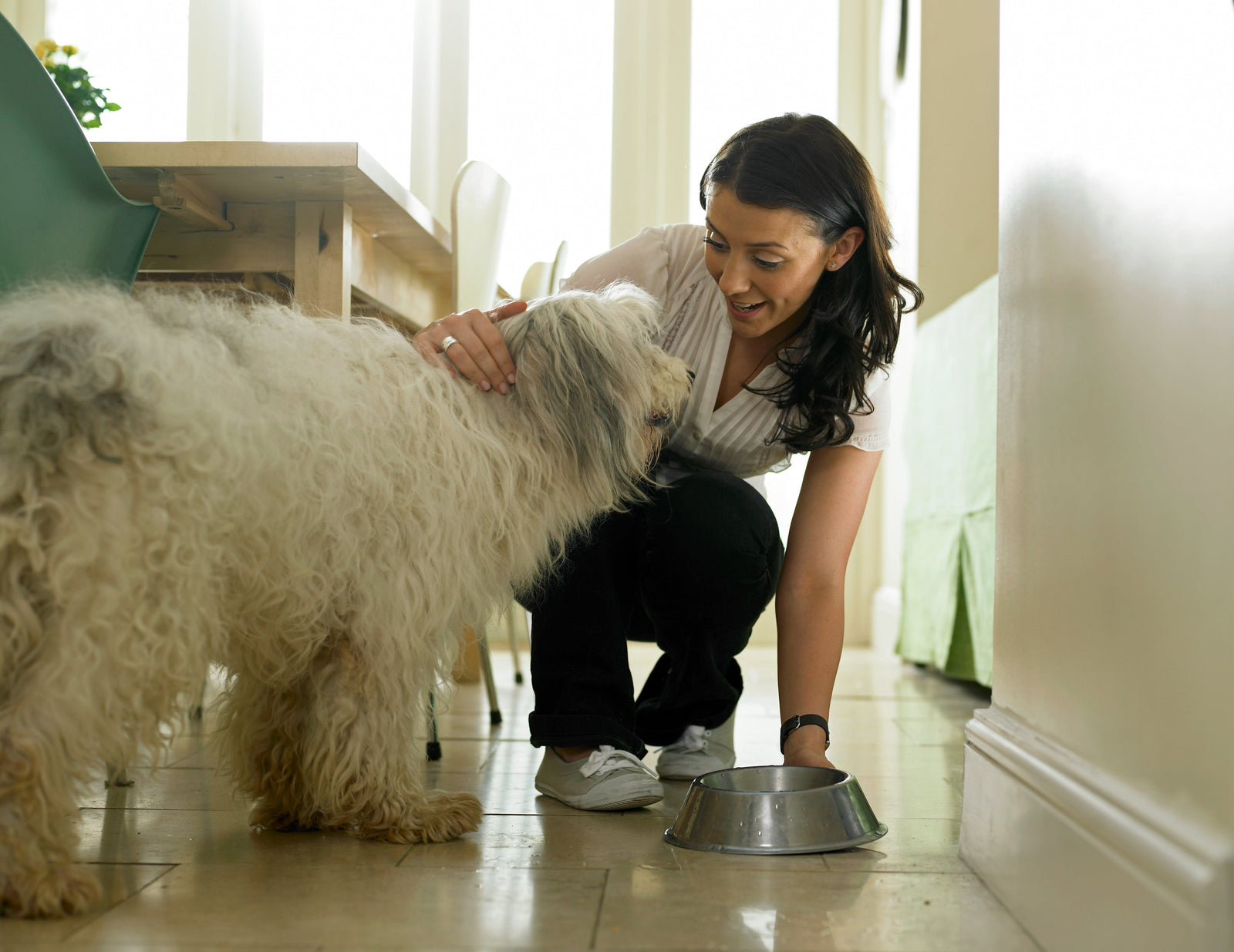
Research shows lean feeding and quality nutrition can help dogs age more gracefully—from the inside out.

Genetic and epigenetic markers can highlight risks for obesity, but daily habits shape how those risks play out.

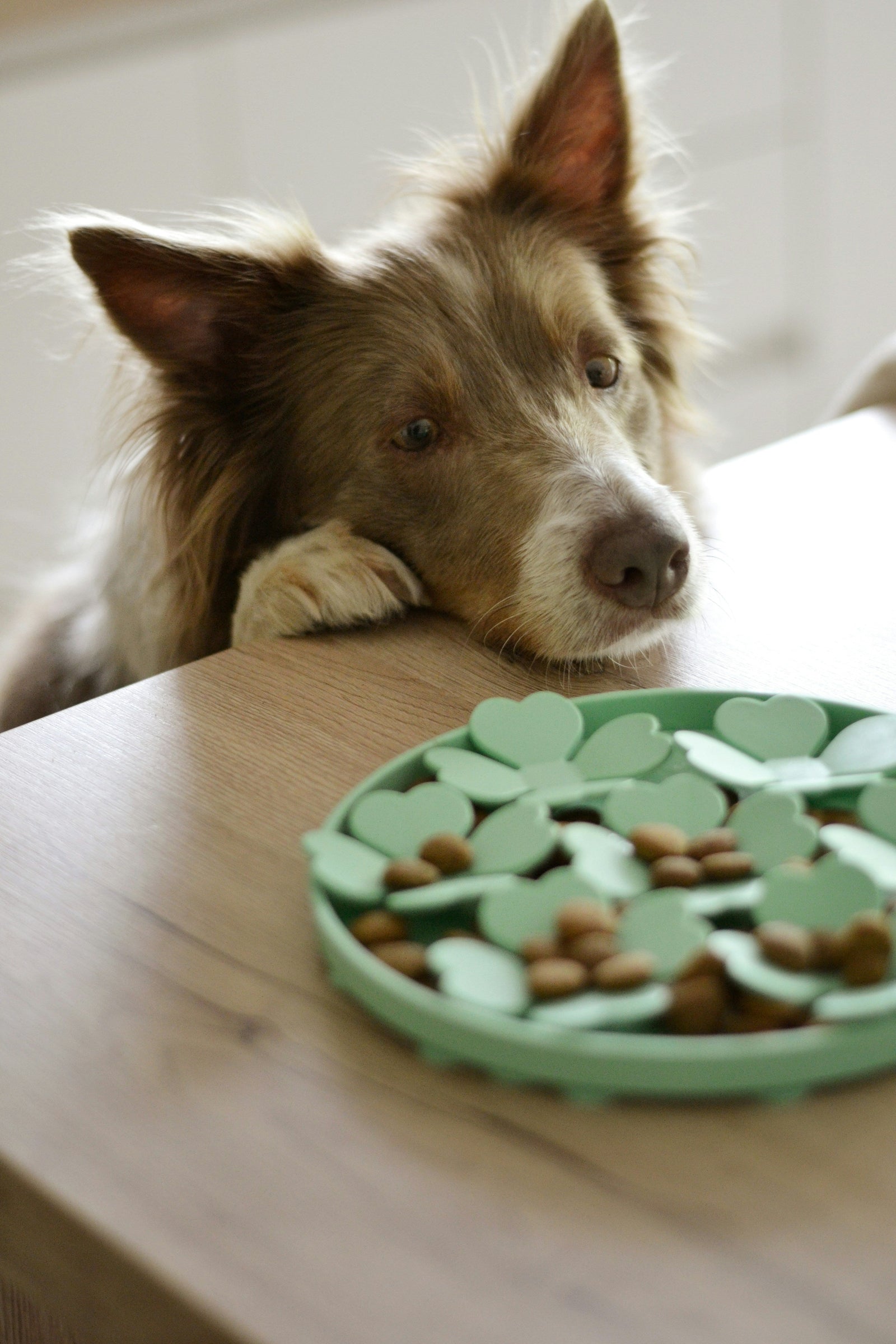
Understanding your dog’s cognitive strengths can make training more effective—and a lot more fun.

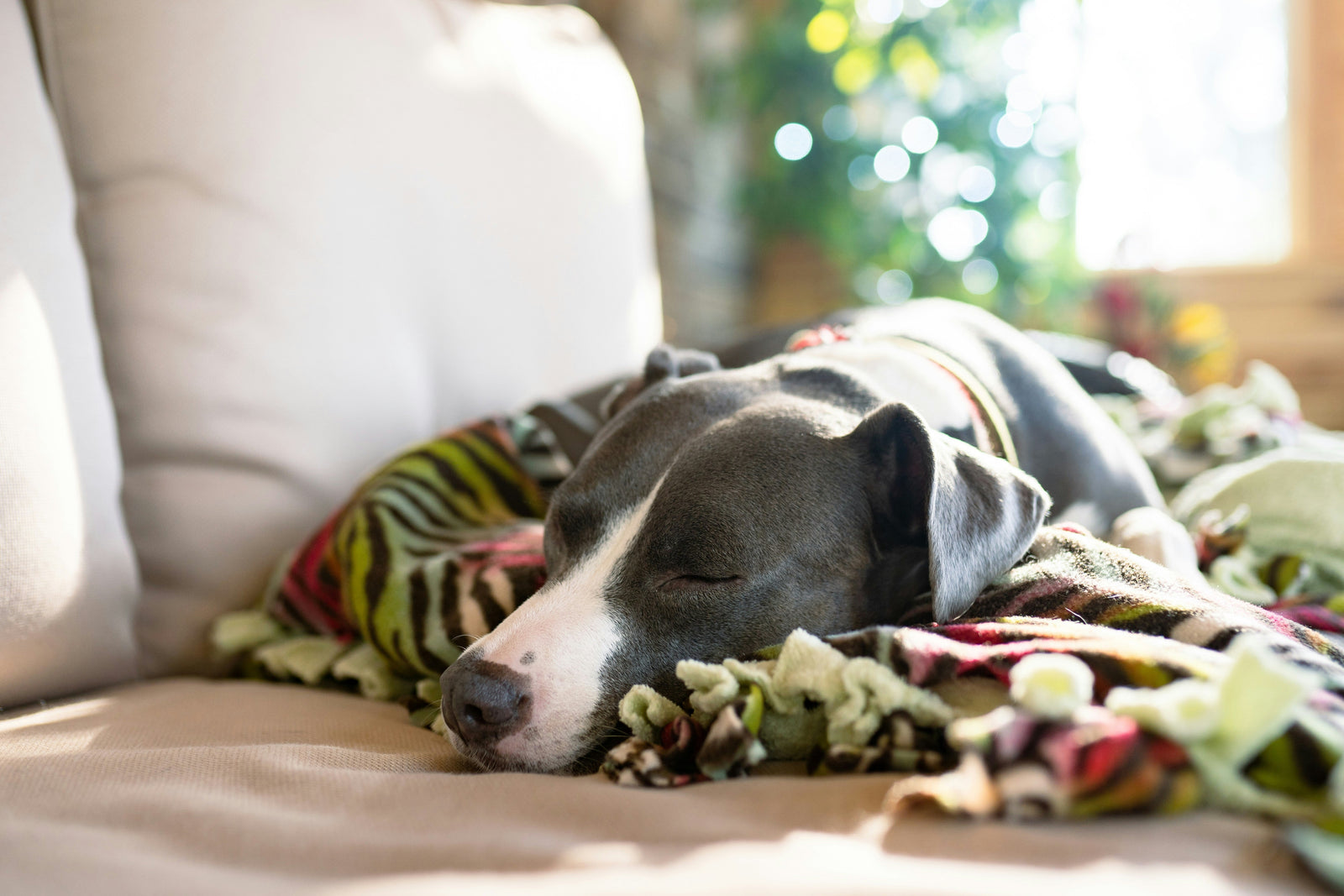
Dogs can snooze 12–18 hours a day, depending on age and health. Here’s why rest matters for dogs of every age, and how owners can facilitate good sleep for their dogs.

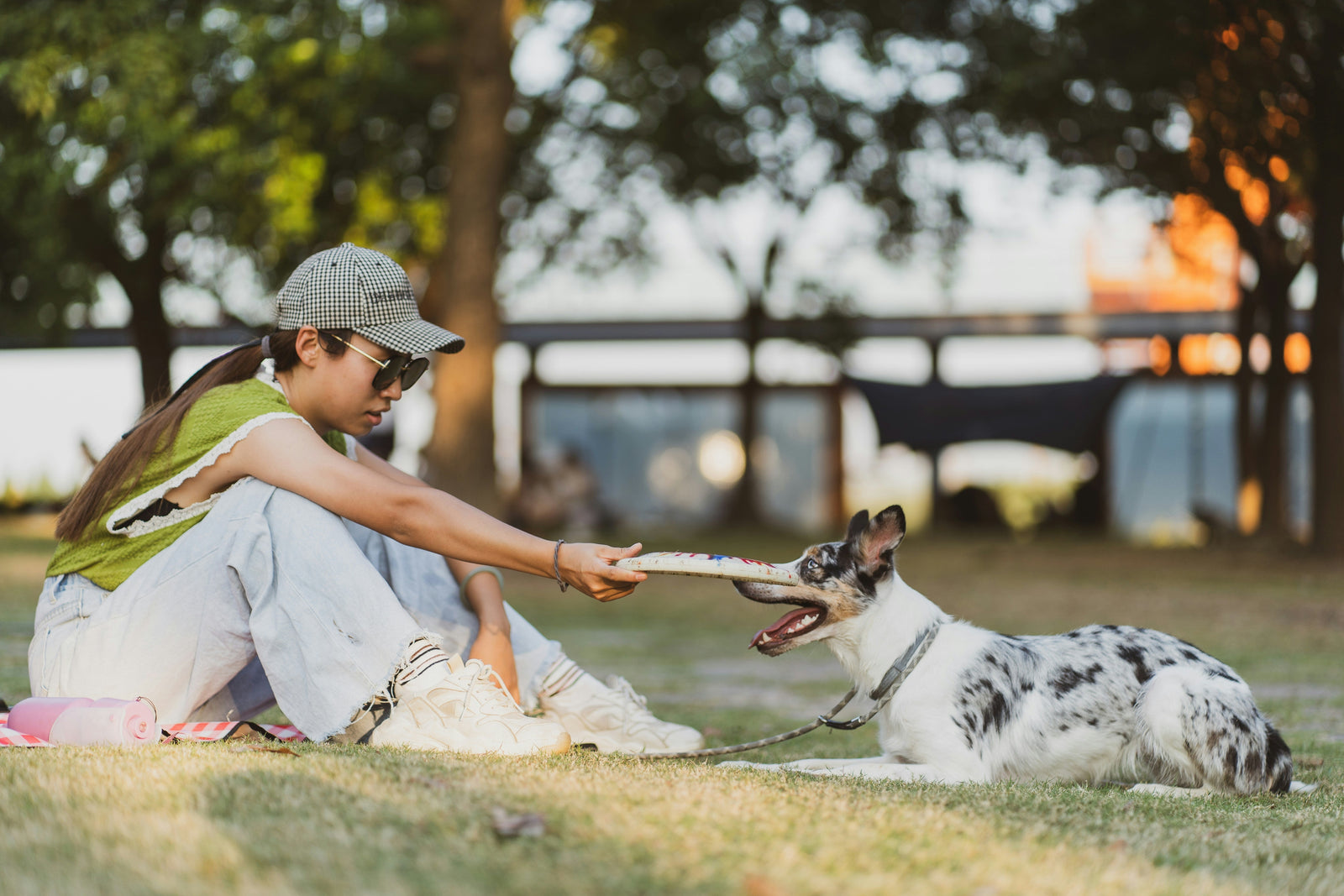
Matching activity to your dog’s life stage and personality is the key to great pup workouts.

Epigenetics research reveals how DNA methylation offers a clearer measure of your dog’s aging process than birthdays alone.

Nutrition, exercise, mental stimulation, and a healthy environment all play critical roles in how dogs age and thrive.